Quick Summary
- In-home ABA therapy brings personalized support into your child’s daily routine.
- Calla ABA Therapy guides families through every step, from evaluation to first session.
- Sessions happen where your child feels most comfortable, right at home.

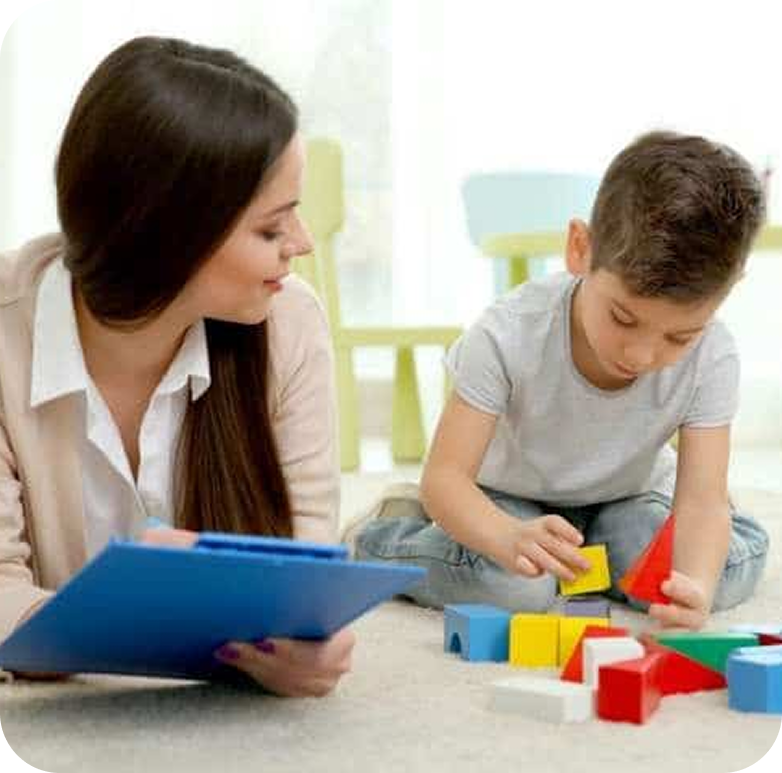
Bringing therapy into your home changes the entire experience for many families. Instead of adjusting to a new building or unfamiliar routine, your child works on skills in the space where they already feel safe.
At Calla ABA Therapy, we built our in-home program around this idea, and families across Raleigh have seen what a difference it makes.
Who Benefits From In-Home ABA?
In-home ABA therapy suits a wide range of children, though certain situations make it especially valuable. Families often turn to this option when:
- Their child struggles with transitions to unfamiliar environments
- Daily routines like mealtime or bedtime need direct support
- Siblings or parents benefit from learning strategies alongside the child
- Travel to a center presents a real barrier for the family
- A child feels calmer and more focused in their own space
Carolina ABA therapy families frequently choose the in-home model because it fits naturally into the rhythm of daily life. Skills practiced at home tend to stick, since the child learns them in the exact setting where they will use them.
How In-Home ABA Sessions Work
A typical in-home session centers on your child’s everyday environment. A therapist arrives at a scheduled time and works through goals set by a Board Certified Behavior Analyst, using toys, routines, and spaces your child already knows.
For example, a session might focus on mealtime skills at the kitchen table, communication during playtime in the living room, or morning routines like brushing teeth and getting dressed. These moments carry more meaning for a child than practicing the same skill in an unfamiliar room across town.
Sessions run on a consistent schedule, and our therapists document progress after each visit. This keeps your BCBA informed and allows the treatment plan to shift as your child grows.
How In-Home ABA Differs From Center-Based ABA
Both approaches offer real value, though they serve different needs. Understanding the difference helps families choose what fits best.
| Feature | In-Home ABA | Center-Based ABA |
| Setting | Your child’s own home | A dedicated therapy center |
| Peer interaction | Limited unless siblings join | Built in through group activities |
| Family involvement | Easy for parents to observe and join | Requires scheduled visits or updates |
| Comfort level | Familiar surroundings from day one | New environment to adjust to |
| Routine practice | Direct application to daily life | Skills practiced separately, then transferred |
Some children benefit from a blend of both. Our team also offers in-school ABA support for families who want consistency across multiple settings.
How Parents Can Prepare for the First Session
The first in-home visit can feel like a big step. A little preparation goes a long way toward helping both you and your child feel ready.
- Choose a quiet time of day with fewer distractions
- Set aside a space where the therapist and child can work comfortably
- Share any current routines, triggers, or preferences with your therapist ahead of time
- Prepare your child gently, using simple language about a new visitor
- Keep expectations realistic, since trust often builds over the first few sessions
Our team walks you through what to expect before day one, so nothing catches your family off guard.
Why Kids Benefit From ABA at Home
Learning inside a familiar space reduces one major hurdle many children face: adjusting to somewhere new before they can even begin working on goals. At home, a child can focus fully on the skill in front of them.
Parents also gain a front-row seat to strategies that work. Watching a therapist model a technique makes it easier to continue that support outside of scheduled sessions. This kind of carryover often leads to steadier progress over time.
ABA therapy in Raleigh, NC, delivered at home also removes the stress of transportation and scheduling around a center’s hours. Sessions fit into your family’s actual routine instead of asking your routine to bend around a location.

How To Get Started With Calla ABA Therapy
Getting started with Calla ABA Therapy follows a clear path, built to keep families informed at every stage.
Step 1: Connect With Our Team
Reach out to Calla ABA Therapy. We explain the process and help you decide if therapy is the right fit for your family. No pressure, no obligations.
Step 2: Build a Care Plan
A licensed BCBA evaluates your child and creates a treatment plan using Applied Behavior Analysis, tailored around your child’s specific strengths and needs.
Step 3: Handle the Details
Our team works directly with your insurance provider on verifications and authorizations, so your focus stays on your child, not paperwork.
Step 4: Begin Services
Your child gets paired with a compassionate therapist who delivers personalized care at home or school, supervised consistently by a Board Certified Behavior Analyst.
Learn more about our approach through ABA therapy in North Carolina, or explore options for military families through ABA therapy in Florida for TRICARE families.
Common Questions Parents Ask Us
- How is in-home ABA therapy different from center-based therapy?
In-home therapy takes place in your child’s own environment, while center-based therapy happens at a dedicated location with structured group activities.
- Who supervises in-home ABA sessions?
A Board Certified Behavior Analyst supervises every treatment plan and oversees the therapist delivering care in your home.
- Can parents be present during in-home sessions?
Yes. Parent involvement supports carryover, and many caregivers observe or participate to reinforce strategies between sessions.
- Does insurance cover in-home ABA therapy?
Our team works directly with your insurance provider on verifications and authorizations to clarify what your plan covers.
- How long does it take to get started with Calla ABA Therapy?
Timelines vary, though our team moves quickly through evaluation and insurance steps to begin services as soon as possible.
- Does Calla ABA Therapy offer support outside the home?
Yes. We also provide in-school ABA for families who want consistent support across more than one setting.

Ready To Bring ABA Therapy Home?
If you have been considering in-home ABA therapy for your child, our team at Calla ABA Therapy is glad to answer your questions and walk through next steps together.
Call us at 646-833-8411, email info@callaaba.com, or fill out our contact form, and we will call you back. You can also browse our blog for more insight or visit our careers page if you are interested in joining our team.



 646-833-8411
 (888) 268-4675
 5540 Centerview Dr
Ste 200-244
Raleigh, NC 27606
 info@callaaba.com